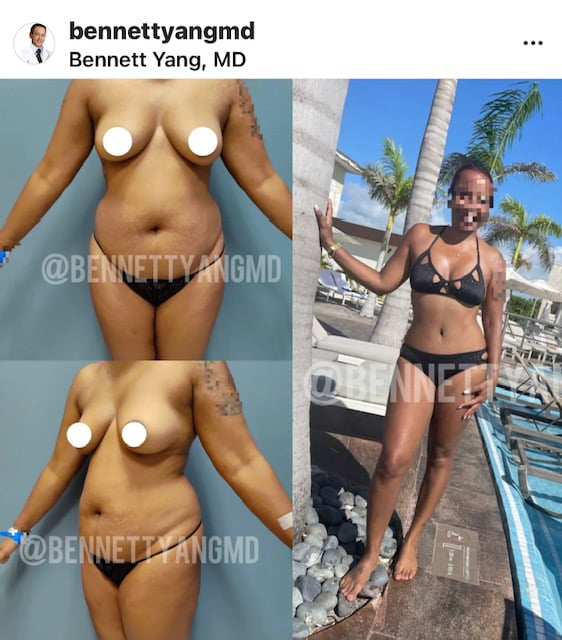
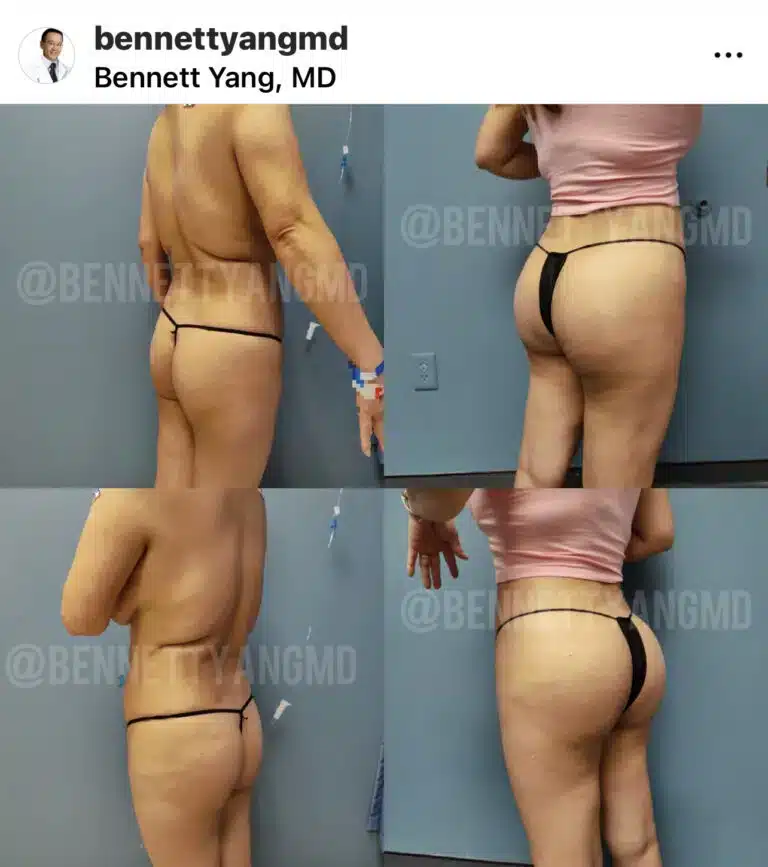
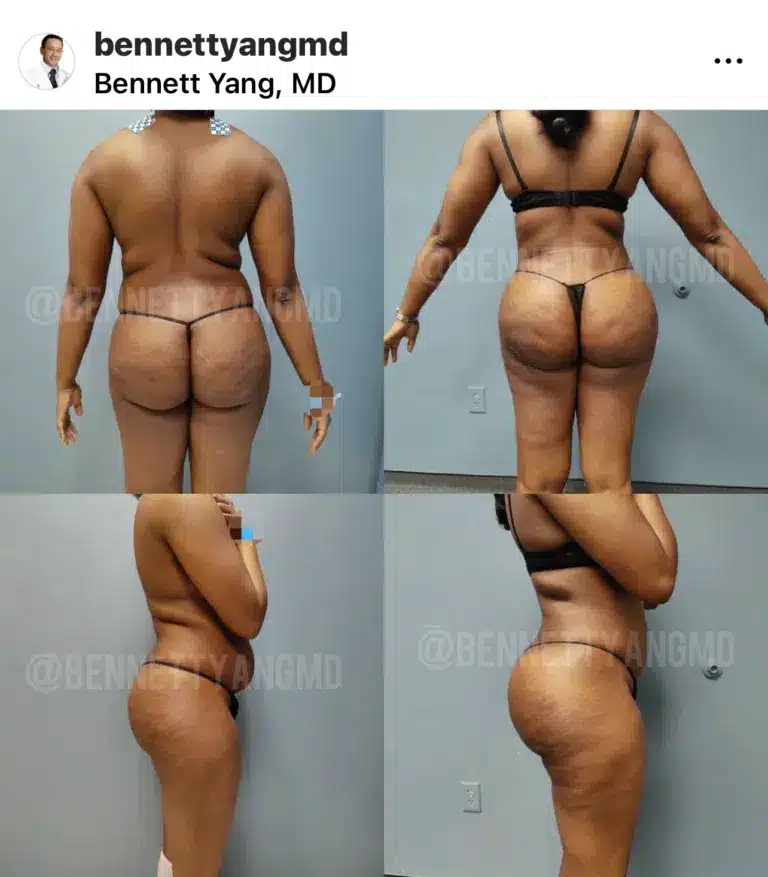
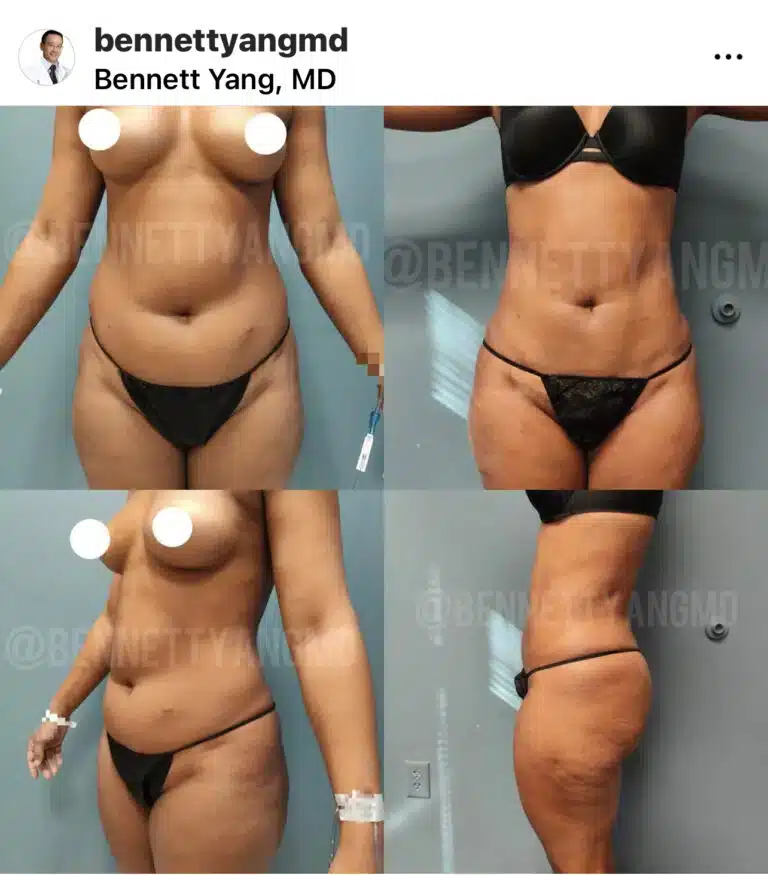
No, VASER liposuction is not a weight-loss procedure—it’s a body-contouring and sculpting treatment designed to remove stubborn, localized pockets of fat that resist diet and exercise, helping refine your shape and enhance definition (such as revealing muscle contours in areas like the abdomen or arms).
Multiple reliable sources, including plastic surgery clinics, Mayo Clinic guidelines on liposuction (which includes VASER as an ultrasound-assisted variant), and expert consensus, consistently emphasize this distinction. While you may notice some scale weight loss (typically a few pounds from the removed fat), the primary goal isn’t overall weight reduction or treating obesity. For significant weight loss, methods like diet, exercise, bariatric surgery, or other medical interventions are far more effective and appropriate.
VASER liposuction works best for people who are already at or near their ideal body weight (or have a stable, healthy BMI) and want to target specific areas like the abdomen, flanks, thighs, arms, back, or chin for a more sculpted, athletic, or proportionate appearance. It’s especially valued for its precision, skin-tightening effects from ultrasound energy, and ability to achieve high-definition results in suitable candidates.
How Much Fat Can Be Removed? The amount of fat safely removable in a single VASER liposuction session varies based on factors like your overall health, body composition (e.g., BMI and starting fat percentage), treatment areas, surgeon’s assessment, and facility guidelines.
Safety Is The Top Priority—removing too much fat at once increases the risk of fluid imbalances, seromas, infections, and other complications. Typical/average amount — Most patients have 2–5 liters (about 4–11 pounds) of fat removed, often focusing on contouring rather than maximum volume.
Safe Upper Limits — Guidelines from plastic surgery organizations (e.g., ASPS) and many surgeons consider up to 5 liters (roughly 10–11 pounds of total aspirate, including fat and fluid) as the common maximum for a single outpatient session to minimize risks. Some sources note 3–5 liters or 4–5% of body weight as a conservative recommendation per session, especially for VASER.
Higher Volumes— In select healthy candidates and accredited settings, up to 6–8 liters may be possible, but this is less common, carries higher risks, and often requires staged procedures or hospital monitoring for “large-volume” cases.
VASER doesn’t inherently allow dramatically more fat removal than traditional liposuction—the limits are similar across methods, driven by patient safety rather than the technique. However, VASER’s selective fat emulsification can make removal more efficient and precise in targeted areas, sometimes enabling better sculpting with the same or slightly higher volumes in skilled hands.